
Loading Studio Assets...
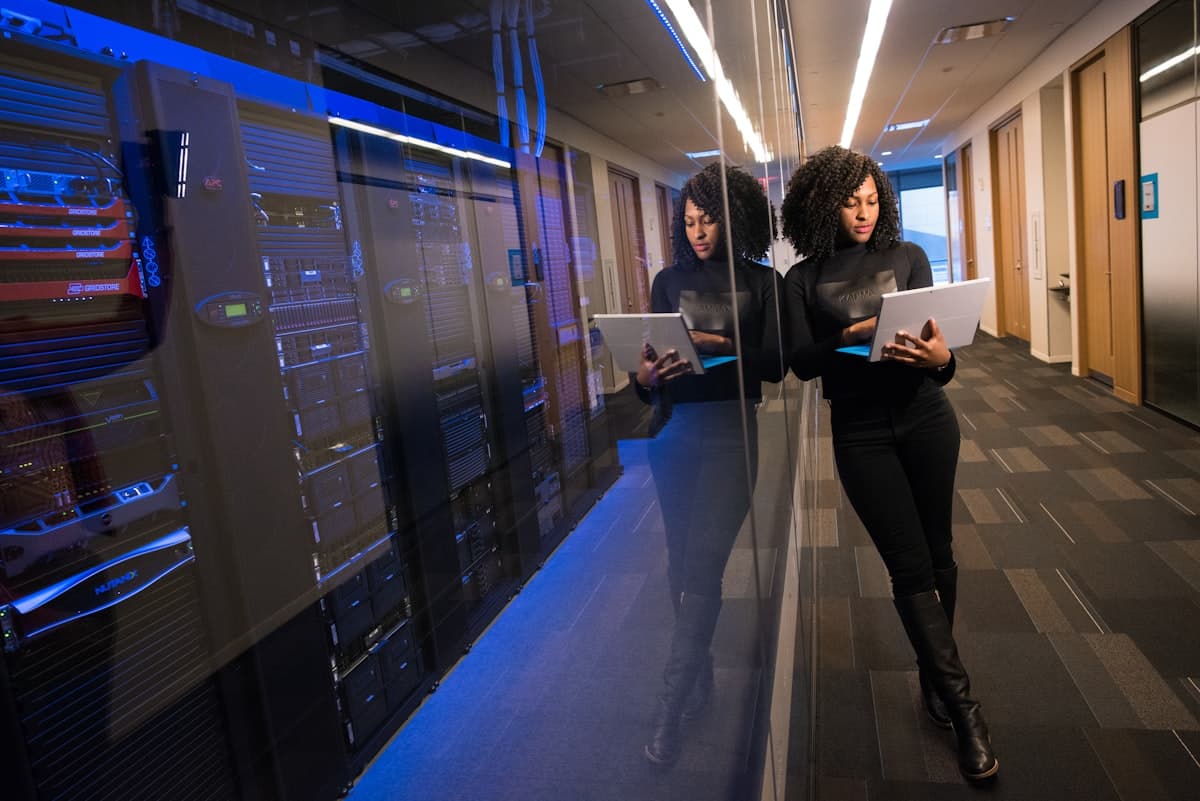
The AI race is often framed as a battle of models. Increasingly, it's a battle of concrete, power, and GPUs. Nothing captures that better than OpenAI's Stargate — a data-center buildout of almost incomprehensible scale.
As of 2026, Stargate is a multi-continental initiative to build roughly 10 gigawatts of AI data-center capacity, underwritten by an unprecedented $500 billion investment. And Sam Altman has floated even larger numbers — commitments of about $1.4 trillion over the next 8 years.
For perspective: 10 GW is comparable to the output of several large nuclear plants, dedicated to running AI.
This isn't all on paper:
OpenAI can contemplate these numbers because its business is growing fast: revenue climbed from ~$12B ARR in mid-2025 to ~$25B ARR in early 2026, and an April 2026 round raised $122B, pushing valuation to $852 billion.
Not everything is smooth. OpenAI paused its UK Stargate project, citing energy costs and regulatory concerns (affecting plans for ~31,000 GPUs). It's a reminder that the binding constraint on AI isn't just chips — it's power and permits.
The bet: whoever controls the most compute controls the frontier. The risk: spending $500B–$1.4T ahead of proven returns.
Stargate is the physical embodiment of the AI boom — and of its biggest question. If AI demand keeps compounding, it's visionary infrastructure. If it doesn't, it's the most expensive bet in tech history.
Brandomize helps brands understand the infrastructure realities behind the AI hype. The models run on power and silicon — we help you see the whole picture.
We help founders, brands, and local businesses turn modern tech into measurable revenue and standout brand identity.
As the internet drowns in recursive synthetic sludge, artificial intelligence is eating its own tail—triggering irreversible model collapse and epistemic decay.
OpenAI CFO Sarah Friar argues proprietary models beat open source on total cost of ownership, citing an 80% Luna price cut and useful intelligence per dollar.