
Loading Studio Assets...
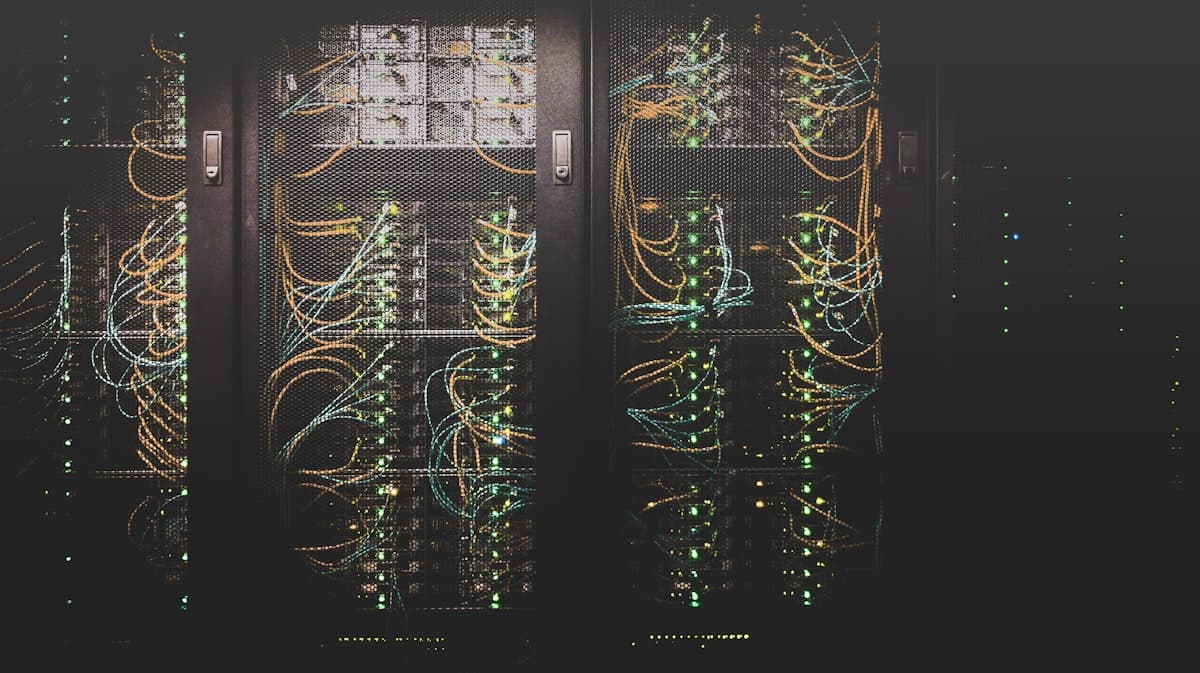
Ask most people what limits AI and they'll say "chips." In 2026, the real ceiling is turning out to be something more fundamental: electricity.
The clearest signal came from OpenAI itself: it paused its UK Stargate data-center project, citing energy costs and regulatory concerns — shelving plans that included roughly 31,000 GPUs. When the best-funded AI lab on Earth pumps the brakes over power, it's not a footnote.
Across the industry, the pattern repeats: projects announced, then slowed by the same three constraints — available power, grid interconnection, and permits.
The result: AI data centers now compete with entire cities for power, and grids weren't built for this demand curve.
The industry's response reveals how serious it is:
The uncomfortable truth: you can design a better chip in months, but you can't build a power plant or upgrade a grid on that timeline.
Energy is becoming a strategic moat. Companies and countries with abundant, cheap, reliable power will host the AI economy. Those without it will watch capacity go elsewhere — regulatory and energy friction is already redirecting billions.
The AI story is increasingly an energy story. The next phase of the race may be decided less by model architectures and more by who can plug in the most gigawatts.
Brandomize helps brands connect AI trends to the real-world constraints shaping them. The infrastructure story matters — we help you tell it clearly.
We help founders, brands, and local businesses turn modern tech into measurable revenue and standout brand identity.
VCs are abandoning standard SaaS startups because AI makes software too easy to build. They are going all-in on deep tech like quantum and frontier AI. Here is what this shift means.
Export controls, homegrown lithography, domestic accelerators, and a race for compute — a field guide to the defining tech conflict of the decade.