
Loading Studio Assets...
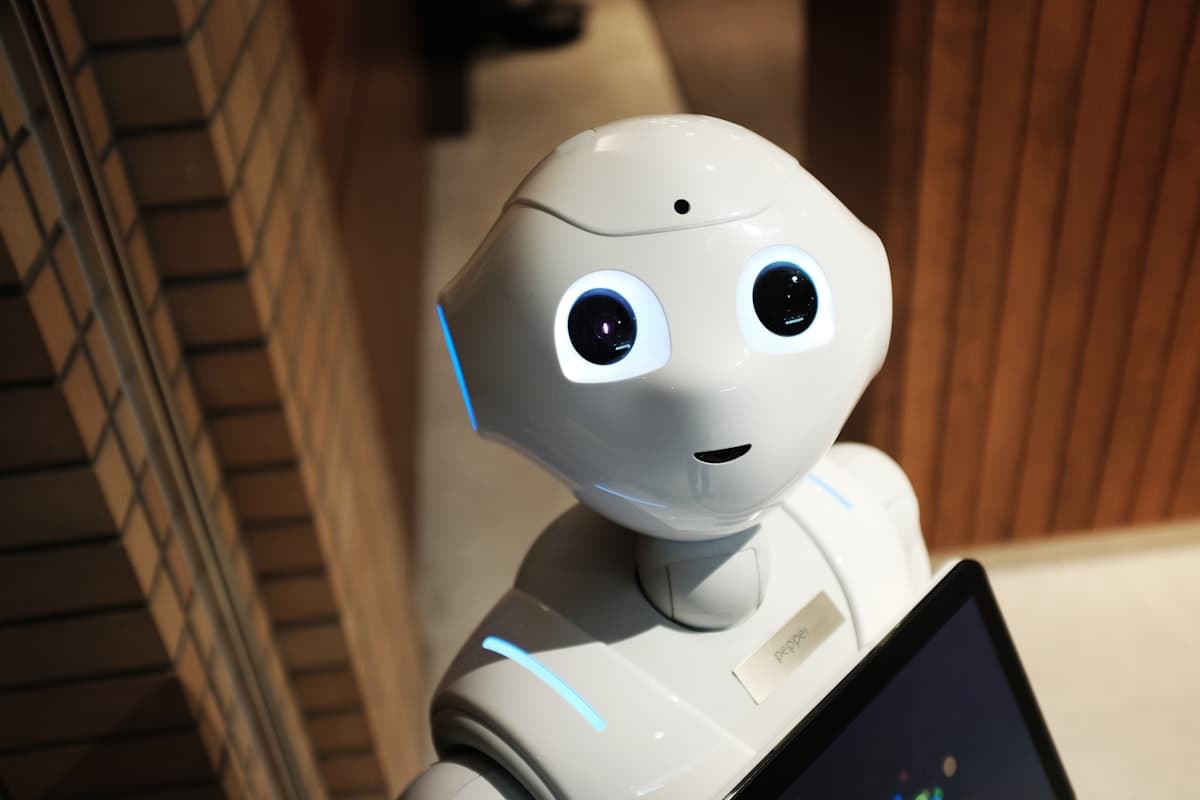
The humanoid robot race has a clear front-runner in 2026 — and it isn't Tesla. Chinese companies control roughly 90% of the humanoid robot market, dominating the technology poised to reshape manufacturing and labor.
China's lead comes from the same advantages that power its EV and drone industries:
Tesla Optimus: Announced its third generation in January with a goal of eventually 10 million units/year. Musk showed Optimus walking the Fremont line (converted from Model S/X production) in July. But initial output will be "extremely slow" — there's no mature supply chain for its ~10,000 new components.
Figure AI: In late June, Figure sent its 03 humanoid to BMW's Spartanburg plant, where an earlier 02 model helped assemble 30,000 cars last year. Real deployment, smaller scale.
The gap: American firms have impressive robots; Chinese firms have impressive supply chains. At scale, the supply chain wins.
Humanoids are moving from demo to factory floor, and China holds a commanding lead in the metric that matters most — units shipped. Watch Unitree's IPO as a bellwether for the whole sector.
Brandomize helps tech and industrial brands tell forward-looking stories. If robotics touches your market, we help you frame where it's heading.
We help founders, brands, and local businesses turn modern tech into measurable revenue and standout brand identity.
As the internet drowns in recursive synthetic sludge, artificial intelligence is eating its own tail—triggering irreversible model collapse and epistemic decay.
OpenAI CFO Sarah Friar argues proprietary models beat open source on total cost of ownership, citing an 80% Luna price cut and useful intelligence per dollar.