
Loading Studio Assets...
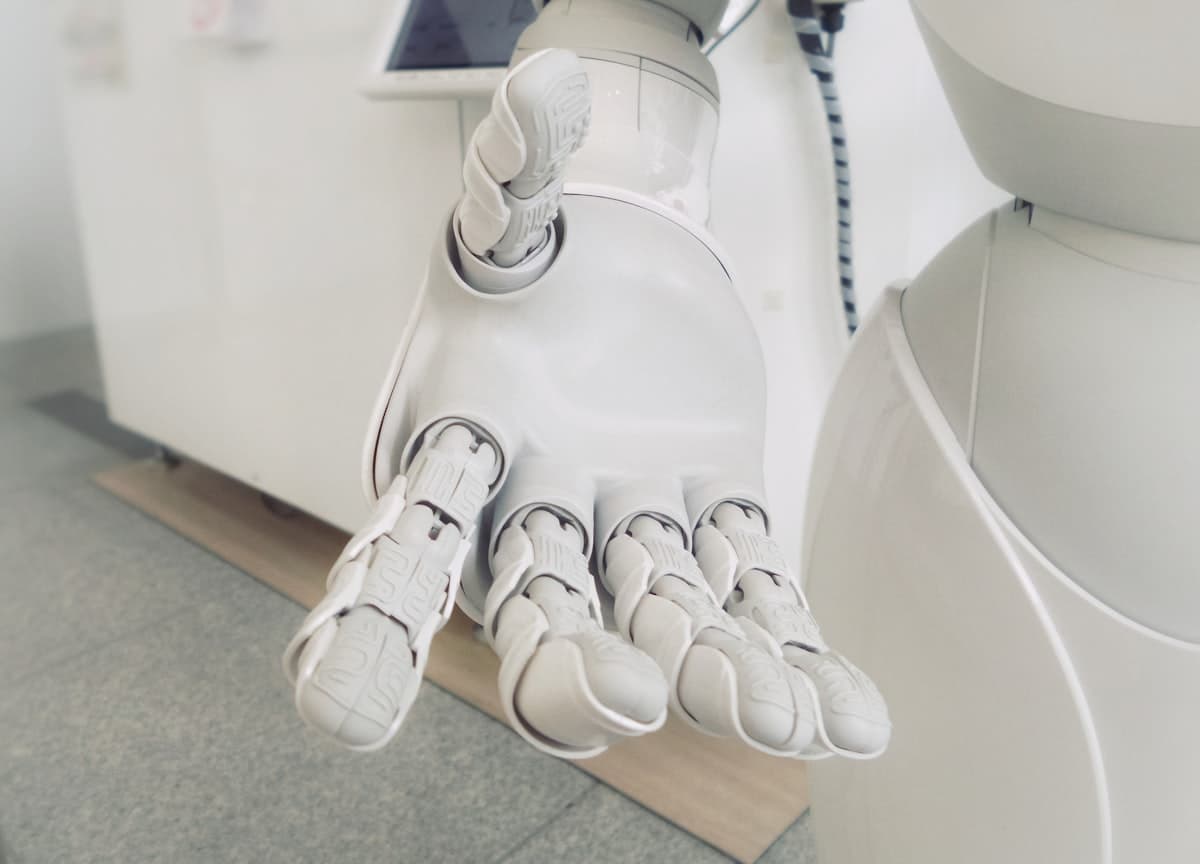
Tesla's humanoid ambitions are enormous — and 2026 is where the vision meets the factory floor. The company announced the third generation of Optimus in January with a stated goal of eventually producing 10 million units per year at Fremont and Texas.
In July, Elon Musk showcased footage of Optimus walking the production floor at Fremont, on a line converted from the original Model S/X production line specifically for Optimus. The symbolism was intentional: Tesla repurposing its flagship car line for robots.
Here's the sobering part Tesla itself acknowledges: initial production will be "extremely slow." The reason is unglamorous but decisive — a near-total absence of a mature supply chain for roughly 10,000 entirely new components.
Cars share huge amounts of tooling, suppliers, and standardized parts. A humanoid robot does not. Every actuator, hand mechanism, and sensor is new, and building the supplier ecosystem to make millions of them cheaply is a years-long project, not a quarter.
This is exactly where Chinese rivals have the edge: Unitree and Agibot already out-shipped Tesla's 2025 target, riding China's deep domestic component supply chains.
Skepticism about the timeline shouldn't obscure the ambition. If Tesla does solve the supply chain, its manufacturing scale could eventually be formidable. The company is also betting that Optimus shares AI and vision tech with its cars, giving it a software head start even if hardware lags.
Optimus V3 is impressive engineering wrapped in a wildly optimistic timeline. Judge it by units actually shipped, not units promised — and on that scoreboard, Tesla is playing catch-up.
Brandomize helps brands separate hype from substance in their own communications. Bold vision is great — grounded, credible storytelling is what builds trust.
We help founders, brands, and local businesses turn modern tech into measurable revenue and standout brand identity.
OpenAI just dropped GPT-5.6 with two versions. Luna is free for everyone. Sol is for paid users. Both are smarter, faster, and come with a new Think slider. Here is what it means for your business.
OpenAI is working on a doughnut-shaped AI smart speaker priced around 300 dollars. Expected in 2027, it could change how we talk to AI at home. Here is what we know.