
Loading Studio Assets...
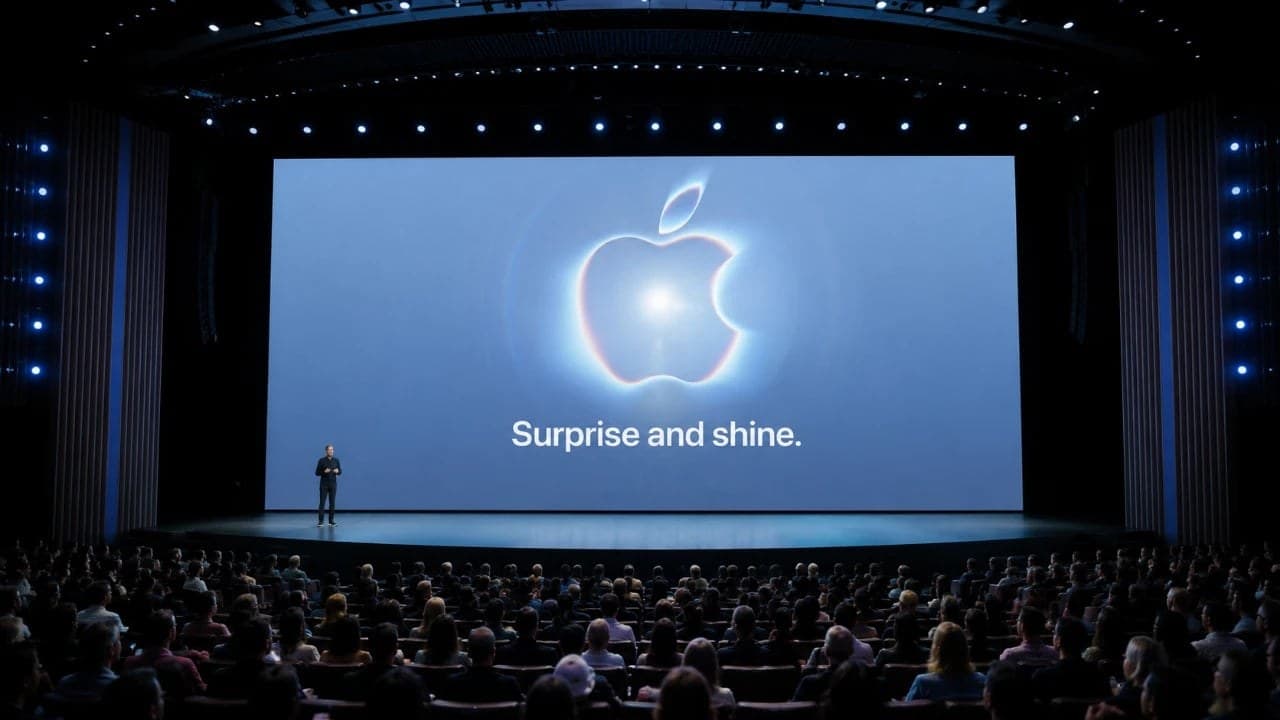
Consumers preparing for Apple's next hardware cycles are facing an unexpected financial reality: the explosive boom in generative AI data centers is directly driving up the retail cost of future smartphones.
A structural crunch in the global semiconductor supply chain has turned standard mobile DRAM and NAND flash from predictable commodities into volatile cost drivers. According to supply chain analysts, memory components now represent up to 34% to 40% of the total Bill of Materials (BOM) for flagship smartphones—forcing Apple and Android OEMs alike to contemplate unprecedented price increases.
The root of the memory crisis lies in cleanroom wafer economics. Memory giants Samsung Electronics, SK Hynix, and Micron have systematically converted their most advanced manufacturing lines away from consumer-grade LPDDR5X mobile memory toward High Bandwidth Memory (HBM3e and HBM4) required by NVIDIA Blackwell and Rubin AI accelerators.
mermaidgraph TD A[Global Semiconductor Silicon Wafers] --> B{Fab Allocation Decisions} B -->|High Profit Margins >65%| C[HBM3e / HBM4 AI Memory Stacks] C --> D[Hyperscalers: OpenAI, Microsoft, Google, AWS] B -->|Lower Commodity Margins ~20%| E[Mobile LPDDR5X DRAM & 3D NAND] E --> F[Severe Consumer Device Supply Shortage] F --> G[Mobile DRAM Contract Prices Surge ~400% YoY] G --> H[iPhone 18 BOM Memory Share Hits 34-40%] H --> I[Retail Price Increases of $100 - $300]
Producing a single wafer of HBM requires up to three times the silicon area and significantly more processing steps than a standard DRAM wafer due to through-silicon via (TSV) stacking and microscopic thermal packaging. Because AI hyperscalers are willing to pay astronomical premiums to guarantee server memory, consumer smartphone makers have been relegated to second-tier status in fab allocation queues.
For over a decade, memory typically accounted for 10% to 15% of an iPhone's bill of materials. In 2026, that ratio has shattered historical precedents.
| Component Group | Historical Cost Share (iPhone 14/15) | Current Projected Share (iPhone 18 Pro) | YoY Cost Trajectory | Primary Cost Catalyst |
|---|---|---|---|---|
| Mobile DRAM & Flash Storage | 12.5% (~$55) | 36.2% (~$215) | +390% YoY Surge | HBM fab cannibalization & hyperscaler pre-buying |
| Application Processor (A-Series) | 22.0% (~$98) | 24.5% (~$145) | +18% (TSMC 2nm N2 process) | Leading-edge EUV lithography cost |
| OLED Display Panel | 25.0% (~$110) | 19.5% (~$115) | Stable (+4%) | Mature micro-lens array yields |
| Camera Module & Optics | 18.0% (~$80) | 13.0% (~$78) | Flat (-2%) | Established sensor supply lines |
| Enclosure, Battery & RF | 22.5% (~$100) | 6.8% (~$40) | Modest optimization | Titanium chassis scale efficiencies |
With memory costs surging nearly fourfold in twelve months, Apple's legendary gross margins are under direct threat. While Apple utilized its immense cash reserves to secure multi-year fixed-price contracts for NAND flash, DRAM contracts proved impossible to lock in at historical rates.
The pricing ramifications will become visible across upcoming product releases:
Market research firms IDC and TrendForce emphasize that this crunch is not a temporary cyclical bump; it is a permanent structural reallocation.
As foundation models transition from cloud inference to local on-device neural processing, consumer electronics demand more memory at the exact moment AI data centers are devouring available silicon capacity. Until new greenfield fab capacity from TSMC, Samsung, and Intel comes online in late 2027 or 2028, high memory prices will remain a fixture of consumer tech.
At Brandomize, we understand that software must be engineered to extract maximum efficiency from every byte of hardware memory and compute. From lightning-fast web applications to lightweight mobile experiences, we build digital solutions designed for real-world constraints.
Looking to build lean, ultra-responsive digital products that outperform the competition? Contact the Brandomize technology studio today.
We help founders, brands, and local businesses turn modern tech into measurable revenue and standout brand identity.