
Loading Studio Assets...
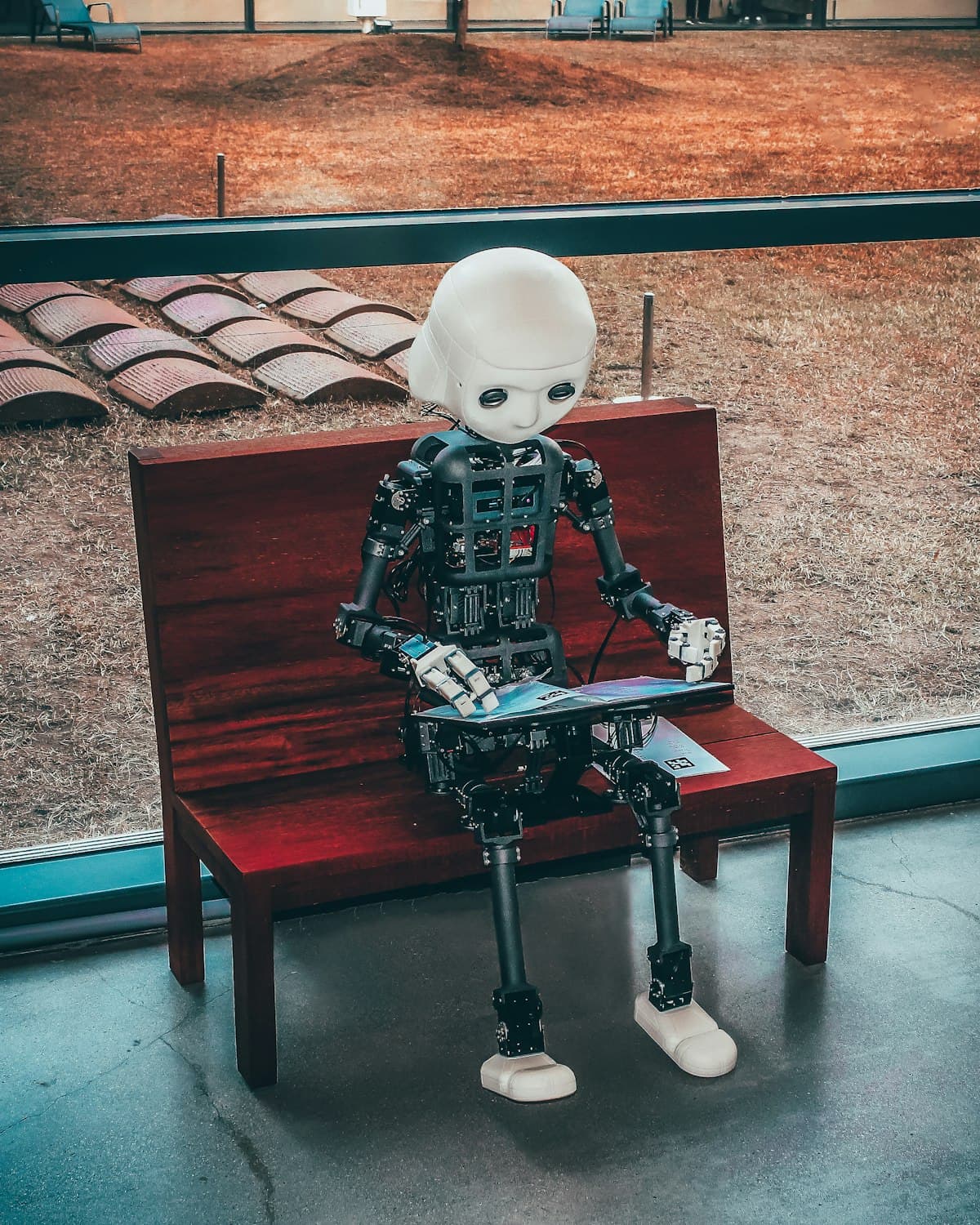
The AI news cycle is exhausting — a new model, leak, or record valuation every week. Step back, and a handful of trends that actually matter come into focus. Here's the honest synthesis of 2026.
The headline isn't "AI got smarter" — it's "AI got cheap." Claude Opus 5 at half of 4.8's price. Grok 4.5's 4x token efficiency. DeepSeek and Chinese open models racing costs down. Cheap, capable intelligence is what turns demos into deployed products — this is the trend under all the others.
2026 is the year AI moved from answering to doing. Agentic coding, research, support, and operations shifted from demo to deployment. The winners run narrow, guardrailed agents on well-defined jobs — not sci-fi autonomy.
Eight of the top ten Chinese models are open-weight; Qwen passed Llama; China is ~30% of open-model downloads. The best downloadable AI is Chinese — a strategic fact with long consequences.
Humanoids hit factory floors (Figure at BMW), and China controls ~90% of the market, with Unitree's ~$14.7B IPO. Physical AI is now an industry, not a demo.
Not chips — electricity. OpenAI paused a UK data center over power costs. The next phase of the race may be decided by gigawatts, not GPUs.
$500B+/year in spend against thin revenue and a 95% zero-ROI study — yet vendors post record quarters. A correction and a revolution can coexist. Build for real value, not hype.
The durable story of 2026: capable AI became cheap, agents became real, and the technology became infrastructure. The businesses that win aren't chasing headlines — they're applying cheap, reliable AI to real problems, measurably.
Brandomize helps businesses cut through the AI noise and deploy what actually works. If you want a partner focused on results over hype, that's exactly who we are.
We help founders, brands, and local businesses turn modern tech into measurable revenue and standout brand identity.
As the internet drowns in recursive synthetic sludge, artificial intelligence is eating its own tail—triggering irreversible model collapse and epistemic decay.
OpenAI CFO Sarah Friar argues proprietary models beat open source on total cost of ownership, citing an 80% Luna price cut and useful intelligence per dollar.