
Loading Studio Assets...
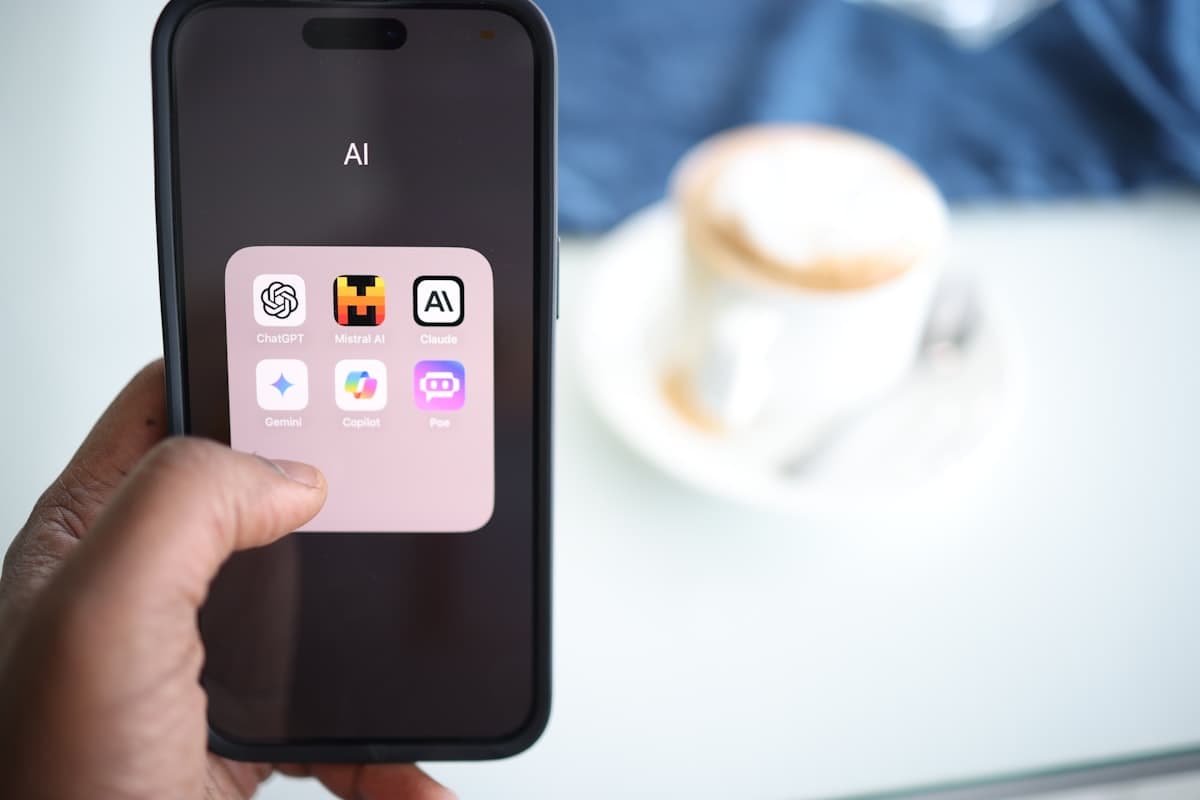
If 2023–2024 was about chatbots and 2025 was about reasoning, then 2026 is unmistakably the year of agents. Nearly every major model release — Claude Opus 5, DeepSeek V4, Grok 4.5, MiniMax M2.7 — leads with agentic capability.
An agent doesn't just answer — it acts. Give it a goal and it will:
The clearest example is coding agents that read a repo, edit files, run tests, and open a pull request. But the same pattern is spreading to research, customer support, data analysis, and operations.
Three ingredients matured together:
An agent that costs pennies to run can work continuously. That's what turns "impressive demo" into "deployed digital worker."
The highest-ROI agents in 2026 tend to be narrow and well-scoped: a support triage agent, a code-review agent, a lead-research agent. Broad "do anything" agents still stumble; focused agents with clear tools and guardrails are what actually ship.
Agents fail in ways chatbots don't — they take wrong actions, not just give wrong answers. Production agents need guardrails, human review on high-stakes steps, and observability. The winning pattern is "agent proposes, human approves" for anything irreversible.
Agentic AI is the real story of 2026. The businesses winning with it aren't chasing autonomy for its own sake — they're deploying narrow, reliable agents on well-defined jobs.
Brandomize builds practical AI agents for content, marketing, and operations — scoped, guardrailed, and actually useful. If you want a digital worker that ships, let's design one.
We help founders, brands, and local businesses turn modern tech into measurable revenue and standout brand identity.
As the internet drowns in recursive synthetic sludge, artificial intelligence is eating its own tail—triggering irreversible model collapse and epistemic decay.
OpenAI CFO Sarah Friar argues proprietary models beat open source on total cost of ownership, citing an 80% Luna price cut and useful intelligence per dollar.