
Loading Studio Assets...
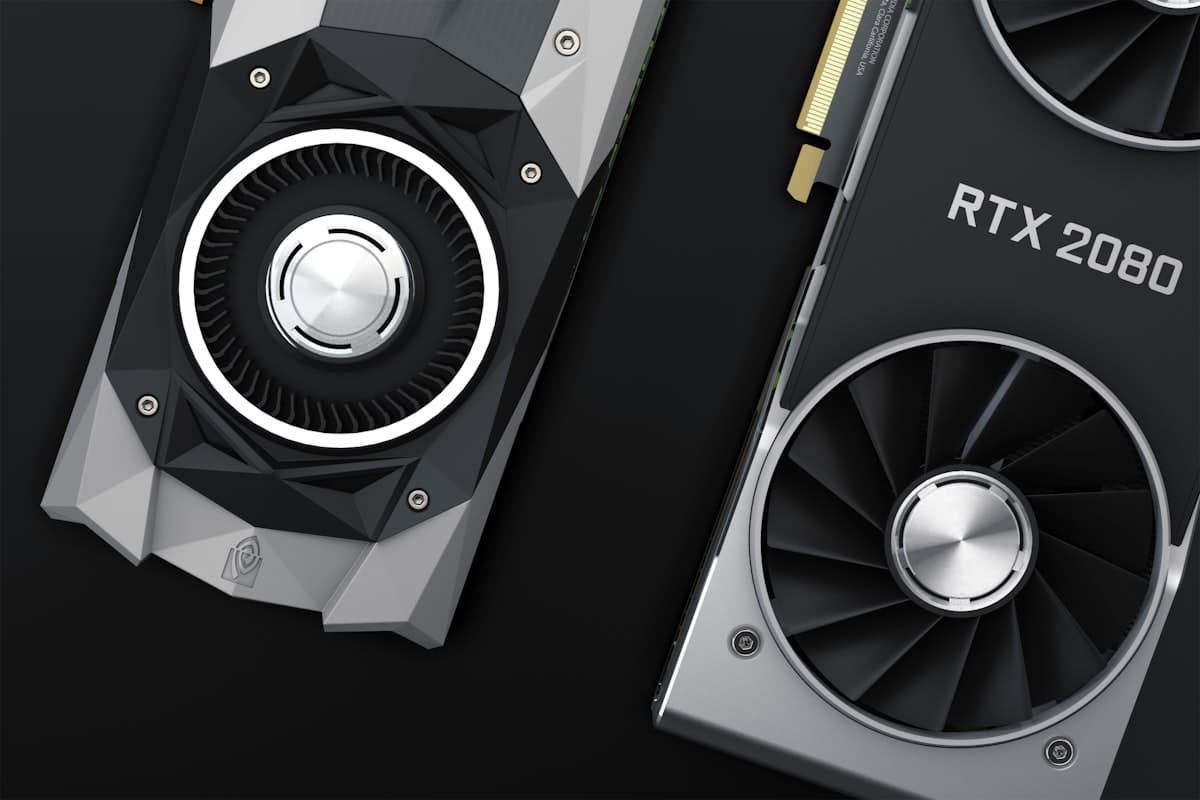
The chips that power 2026's AI boom start at one place more than any other: TSMC. And the world's most important foundry has entered the 2nm era.
TSMC began high-volume manufacturing on its N2 (2nm) process at two Taiwan fabs in December 2025. In 2026, facing surging demand for AI semiconductors, TSMC decided to expand 2nm and 3nm capacity by roughly 20% by year-end.
Apple signed up first for 2026 2nm production, but TSMC's N2 client base spans HPC, AI firms, and mobile chip developers — everyone who needs the density and efficiency of the leading node.
TSMC held over 70% foundry market share last year, versus 6–7% for Samsung. The 2nm ramp isn't closing that gap — it's widening it:
Every generation shrink means more transistors, lower power, higher performance per watt. For AI accelerators — where power and density are the binding constraints — being on the leading node is a direct competitive advantage. Whoever TSMC prioritizes gets the best silicon first.
This is also why the 2nm supply crunch is real: demand from Apple, Nvidia, AMD, and the AI hyperscalers is outstripping even TSMC's expanded capacity.
TSMC's dominance also concentrates risk: the most advanced chips on Earth are made overwhelmingly in Taiwan. That's the backdrop to every "chip sovereignty" push — from US CHIPS Act fabs to China's homegrown lithography drive.
TSMC's 2nm ramp is the quiet engine under the entire AI industry. As long as it leads on nodes, it holds a chokepoint on the future of computing.
Brandomize helps tech brands connect hardware trends to business strategy. The AI story runs on silicon — we help you see the full stack.
We help founders, brands, and local businesses turn modern tech into measurable revenue and standout brand identity.
OpenAI just dropped GPT-5.6 with two versions. Luna is free for everyone. Sol is for paid users. Both are smarter, faster, and come with a new Think slider. Here is what it means for your business.
OpenAI is working on a doughnut-shaped AI smart speaker priced around 300 dollars. Expected in 2027, it could change how we talk to AI at home. Here is what we know.