
Loading Studio Assets...
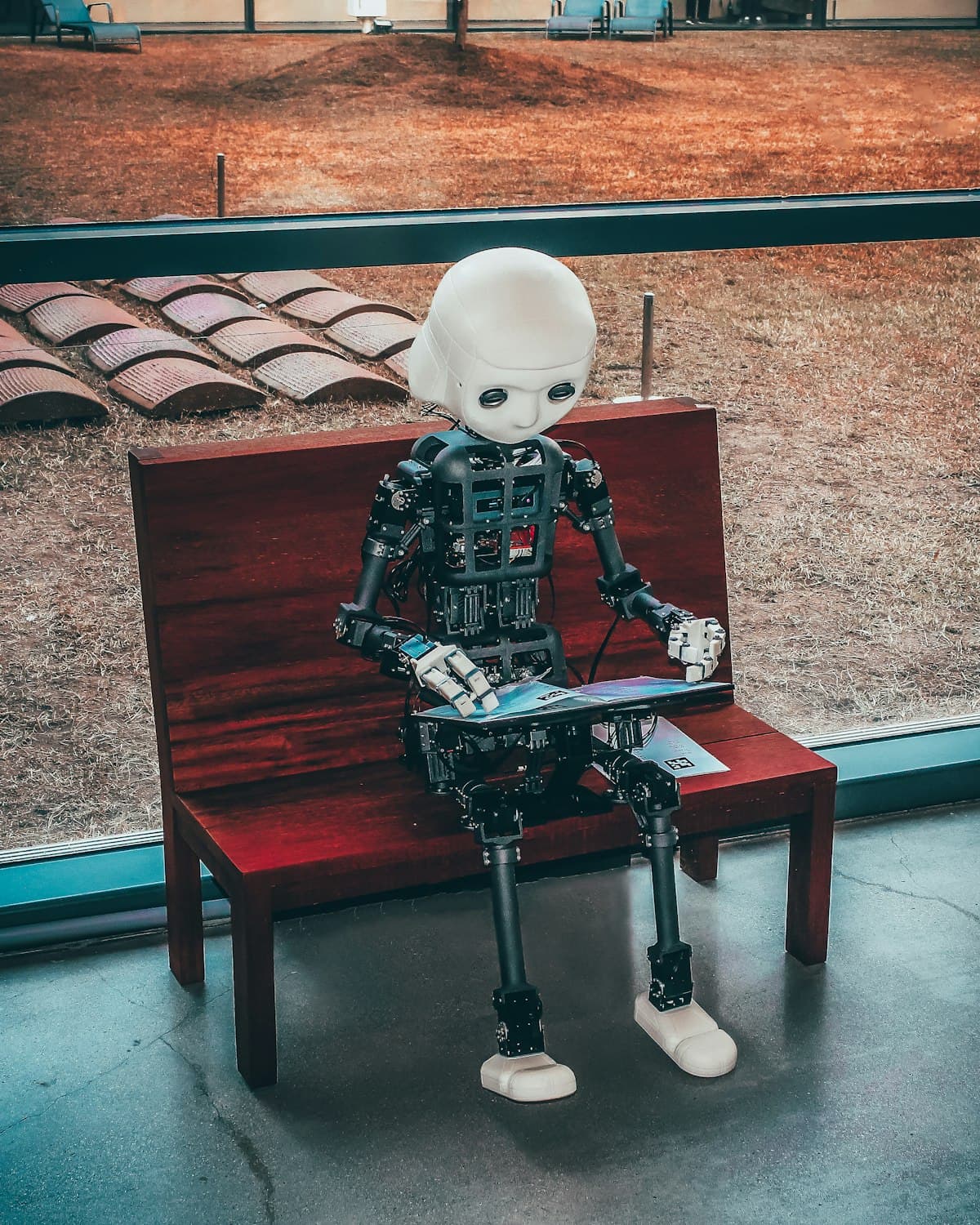
On July 24, 2026, Anthropic released Claude Opus 5, the newest member of its Claude 5 family and the successor to the widely used Opus 4.8. The headline is simple but significant: Opus 5 pushes close to the frontier intelligence of Anthropic's flagship Claude Fable 5 while costing roughly half of what Opus 4.8 did for comparable work.
Anthropic is positioning Opus 5 as a thoughtful, proactive collaborator rather than a reactive chatbot. Compared with Opus 4.8, the model shows meaningful gains on multi-step reasoning, agentic coding, and long-horizon tasks — the workloads where the previous generation already led.
The story of 2026 is not just capability — it's cost per unit of intelligence falling fast. When a near-frontier model gets cheaper by half, entire categories of automation that were "too expensive to run at scale" suddenly pencil out. Customer support, code review, research synthesis, and content operations all become viable to run continuously rather than occasionally.
The competitive pressure is real: OpenAI's GPT-5.5/5.6 line, Google's Gemini family, and open-weight challengers like Kimi K3 are all racing on the same intelligence-per-dollar curve.
For teams already on Claude, upgrading is close to a no-brainer — you get more capability for less money on the same API. For teams evaluating vendors, Opus 5 re-opens the "which frontier model" question that many had settled six months ago.
Claude Opus 5 is Anthropic's clearest signal yet that the frontier is becoming affordable. The models keep getting smarter, but the more disruptive trend is that they keep getting cheaper — and that's what turns AI demos into deployed products.
At Brandomize, we help brands turn frontier AI into real content and marketing workflows. If you're deciding how to put models like Opus 5 to work, that's exactly the kind of build we love.
We help founders, brands, and local businesses turn modern tech into measurable revenue and standout brand identity.
OpenAI just dropped GPT-5.6 with two versions. Luna is free for everyone. Sol is for paid users. Both are smarter, faster, and come with a new Think slider. Here is what it means for your business.
OpenAI is working on a doughnut-shaped AI smart speaker priced around 300 dollars. Expected in 2027, it could change how we talk to AI at home. Here is what we know.