
Loading Studio Assets...
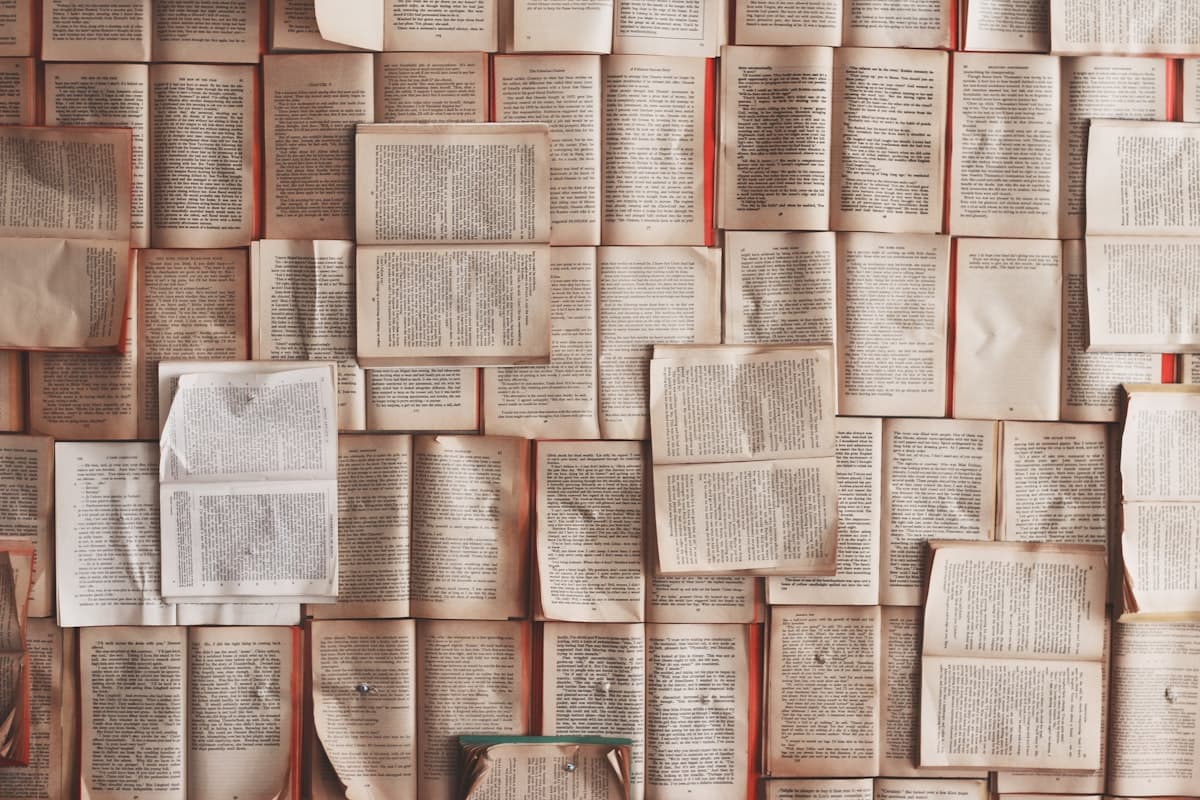
This is one of the most shocking AI stories of 2026. Internal documents from Anthropic — the company behind Claude AI — reveal a secret project called "Project Panama."
The goal? To physically destroy millions of books and scan them to train their AI models.
According to court filings and leaked internal messages, Anthropic ran a large-scale book scanning operation. Here is what they did:
One internal document reportedly said: "Project Panama is our effort to destructively scan all the books in the world."
Another note said the team wanted to keep the project secret because of "negative optics."
AI models need massive amounts of high-quality text to learn. Books are considered the gold standard of training data because they contain:
By scanning millions of books, Anthropic got access to some of the best-written text in human history. The problem? They destroyed the physical copies in the process.
When this story broke, the reaction was intense:
Anthropic has said they did not target rare or antique books. But critics point out that many destroyed volumes may have been the last physical copies of certain editions.
This was part of the larger Bartz v. Anthropic lawsuit. A judge ruled:
The result? A $1.5 billion settlement — the largest AI copyright payout ever.
If you create content — blog posts, articles, guides, or books — your work has value. AI companies are spending billions to get their hands on good writing. That tells you something important:
Quality content is the most valuable asset in the AI era.
At Brandomize, we write blog content, service pages, and website copy that is built to rank on Google and get cited by AI search engines. Every word has a purpose — to bring your business visibility and trust.
Your content should not just exist. It should work for you 24/7.
Need content that ranks and gets recommended by AI? Brandomize builds SEO and GEO-optimized content for businesses in Hisar and across India. Talk to us today.
We help founders, brands, and local businesses turn modern tech into measurable revenue and standout brand identity.
OpenAI just dropped GPT-5.6 with two versions. Luna is free for everyone. Sol is for paid users. Both are smarter, faster, and come with a new Think slider. Here is what it means for your business.
OpenAI is working on a doughnut-shaped AI smart speaker priced around 300 dollars. Expected in 2027, it could change how we talk to AI at home. Here is what we know.